Domestic students
$6,078
total program cost

Inspire young minds. Shape brighter futures.
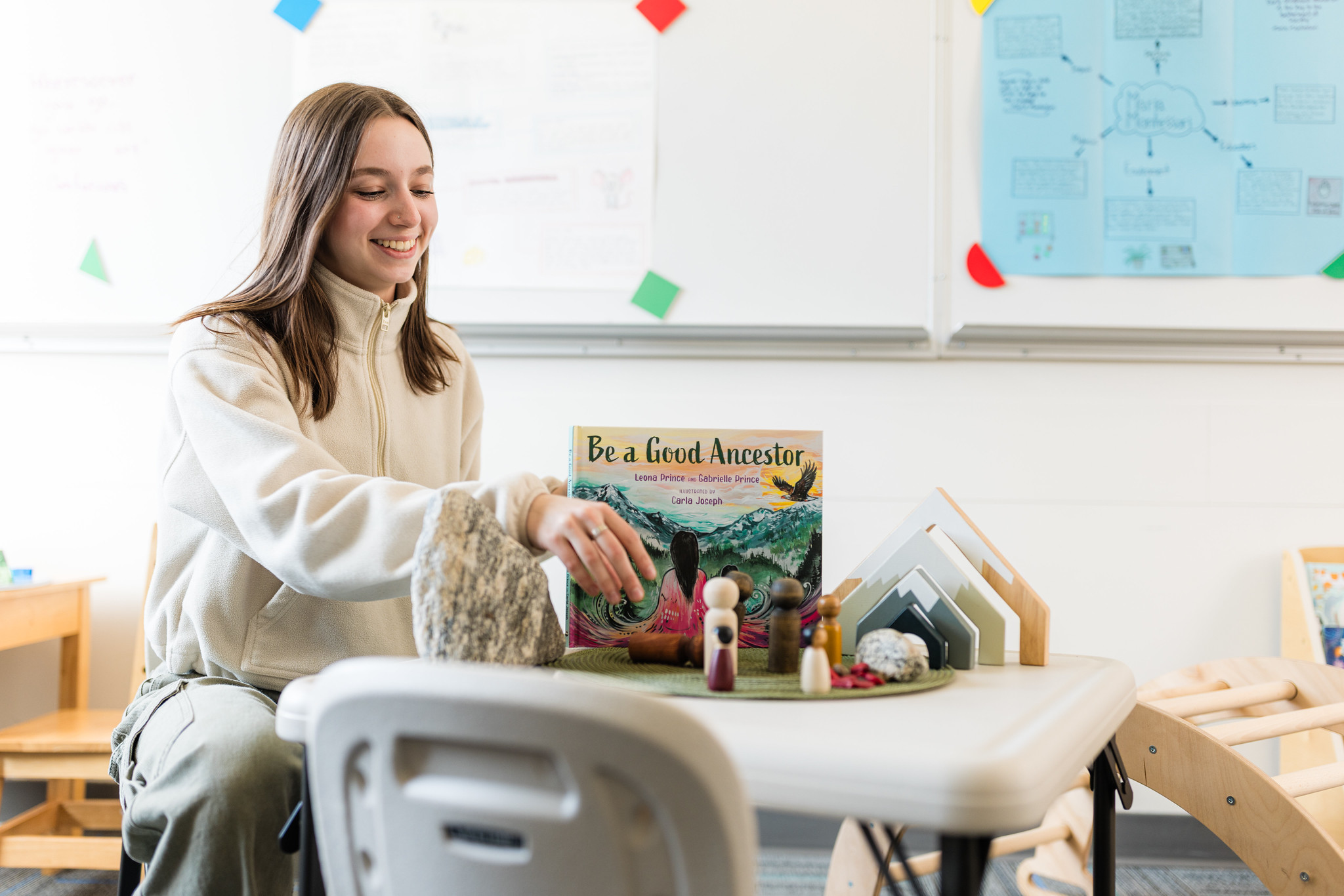
Prepare for a rewarding career helping children learn, grow and thrive. Gain the knowledge, practical experience and confidence to create inclusive early learning environments and make a lasting impact on children, families and communities.

Certificate Certificates are short programs focused on specific skills or subjects. They are a fast and flexible way to start a new career, upgrade your qualifications or gain professional recognition.
Blended Blended or On-campus All classes take place in-person at one of our campuses.
Full-time You take a regular course load and move through the program at the standard pace. Expect to study most weekdays.
1 year
Domestic students $6,078 total program cost Domestic students: $6,078 total program cost
TBD
This innovative initiative introduces a hybrid delivery model, providing aspiring educators with essential skills and knowledge for success in the dynamic field of early childhood education.
Practicum experiences are an integral part of Early Childhood Education programs with mandatory attendance requirements for practicum hours.
Additional information:
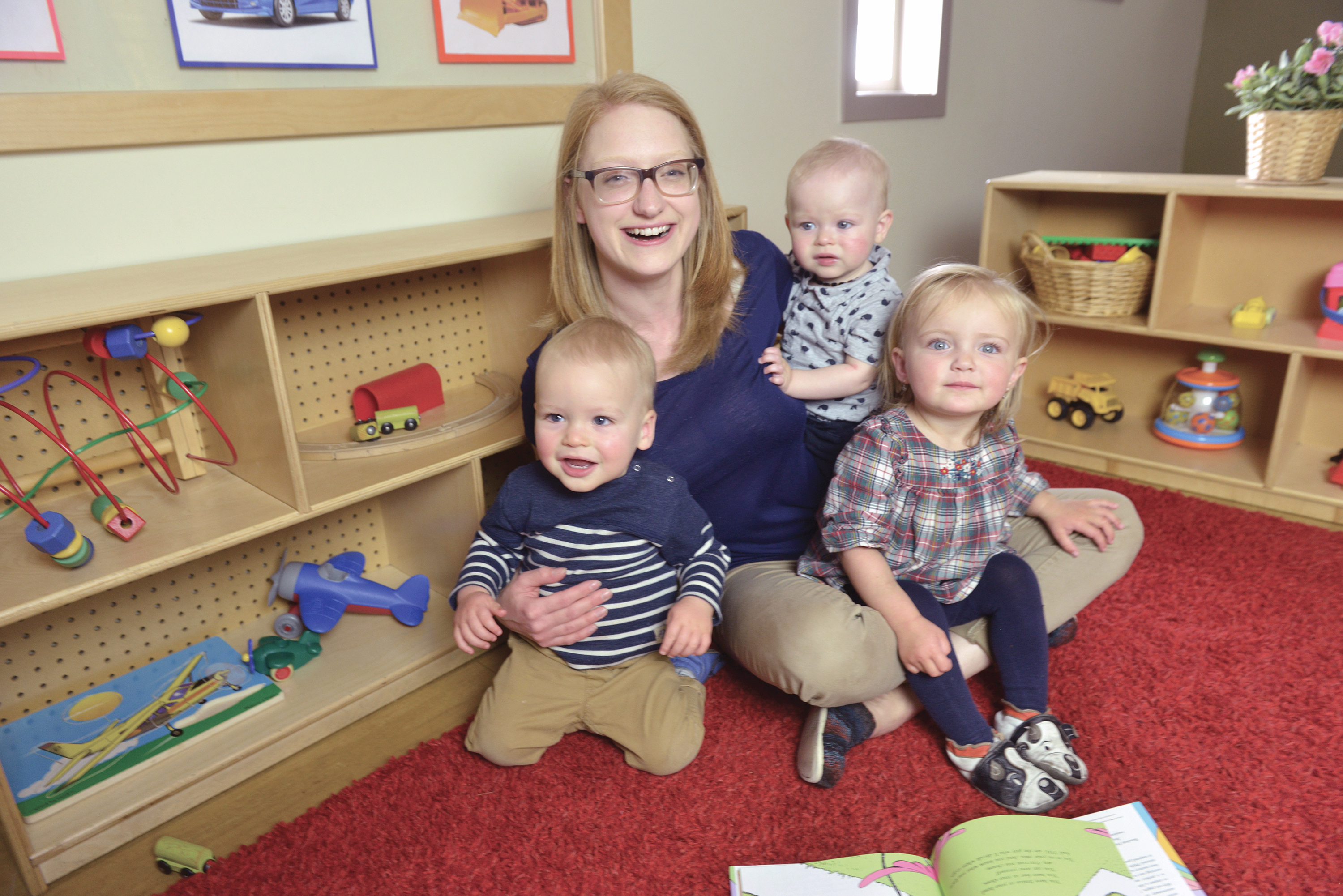
The Early Childhood Education Certificate program prepares students to work with young children in a variety of early learning and care environments. Students will acquire the knowledge, skills and attitudes necessary to work with children, families and the community in planning enriched programs in daycares, preschools and other early childhood initiatives that focus upon healthy development throughout the early years. Content areas include professionalism and practice, personal and interpersonal relationships, child development and planning programs, guidance, administration, and extensive practical application. The curriculum focuses on the interactive role of the early childhood educator with children, their families, and the community.
Successful completion of this three-semester program satisfies the ECE Registry training requirements for a Certificate to Practice as an Early Childhood Educator (Basic). More information about Becoming an Early Childhood Educator (ECE) in British Columbia is available from the Government of British Columbia.
Students who complete the certificate program, may apply for admission into the Early Childhood Education diploma program and complete the remaining courses in Semesters 3 and 4 and specific practicum(s) to apply for ECE Registry Specialized Certificates as an Infant Toddler Educator (ITE) and/or Special Needs Early Childhood Educator (SNE).
Check if this program is student loan eligible. View Financial Aid and Awards
All amounts are approximate and are subject to change.
Students looking for financial support to access this program are encouraged to explore the links below and/or contact HealthPrograms@okanagan.bc.ca for assistance.
Academic Admission Requirements
B.C. secondary school graduation, or equivalent, or 19 years of age and out of secondary school for one year as of the first day of classes.
English 12 with minimum 60% or alternatives.
General Requirements
Other notes and recommendations:
All applicants are strongly advised to ensure their immunization status is current for work in child care settings. Some child care organizations may ask for proof of immunization records as a requirement for a practicum placement.
All applicants are asked to review the Health and Social Development Requisite Skills and Abilities Checklist and will be asked to submit this form to the department at the start of the program. Students in this program engage actively in practical skills development in simulated situations and will participate in practicum placements that require the safe care of vulnerable children.
Students will be responsible for costs of travel to off-site facilities for scheduled field-trips, observation assignments and practicum placements.
A minimum of 50% of the program must be completed through OC.
Semester 1 - Jan to April
Semester 2 – May to August
Semester 3 – Sep to Nov
Online evening classes will be held Monday, Tuesday and Wednesday evenings 6 pm - 9 pm. Daytime labs will be held at respective campus (Penticton/Salmon Arm) Thursdays 8 am - 3 pm. Practicum placements in semesters 1, 2 and 3 are scheduled within our regional communities. Completion of practicum hours will occur Monday to Friday between the hours of 8 am and 4 pm. Practicum in semester 1 occurs alongside theory classes, practicum in semesters 2 and 3 occurs at completion of theory courses.
|
Start date
|
Location
|
Delivery mode
|
Application status
|
|---|---|---|---|
|
Jan. 2027
|
Penticton
|
Blended
|
Open
|
|
Note: Blended delivery. Combines scheduled online classes (both scheduled/synchronous and self-paced/asynchronous) with regular on-campus learning and required hands-on practicum placements, giving you the flexibility of online study while building practical skills in person.
|
|||
|
Jan. 2027
|
Salmon Arm
|
Blended
|
Open
|
|
Note: Blended delivery. Combines scheduled online classes (both scheduled/synchronous and self-paced/asynchronous) with regular on-campus learning and required hands-on practicum placements, giving you the flexibility of online study while building practical skills in person.
|
|||
|
Jan. 2028
|
Salmon Arm
|
On-campus
|
Upcoming
|
|
Jan. 2028
|
Penticton
|
On-campus
|
Upcoming
|
Online components:
In-person components:
Earliest intake: Sep. 2027
Earliest intake: Mar. 2027
Earliest intake: Jan. 2027
Earliest intake: Jul. 2027
Earliest intake: Jul. 2027
Earliest intake: Sep. 2027
Earliest intake: Apr. 2027
Earliest intake: Oct. 2026
Earliest intake: Sep. 2027
Earliest intake: Sep. 2027
Earliest intake: Jan. 2027
Earliest intake: Jan. 2027
Earliest intake: Sep. 2027
Earliest intake: Sep. 2027