
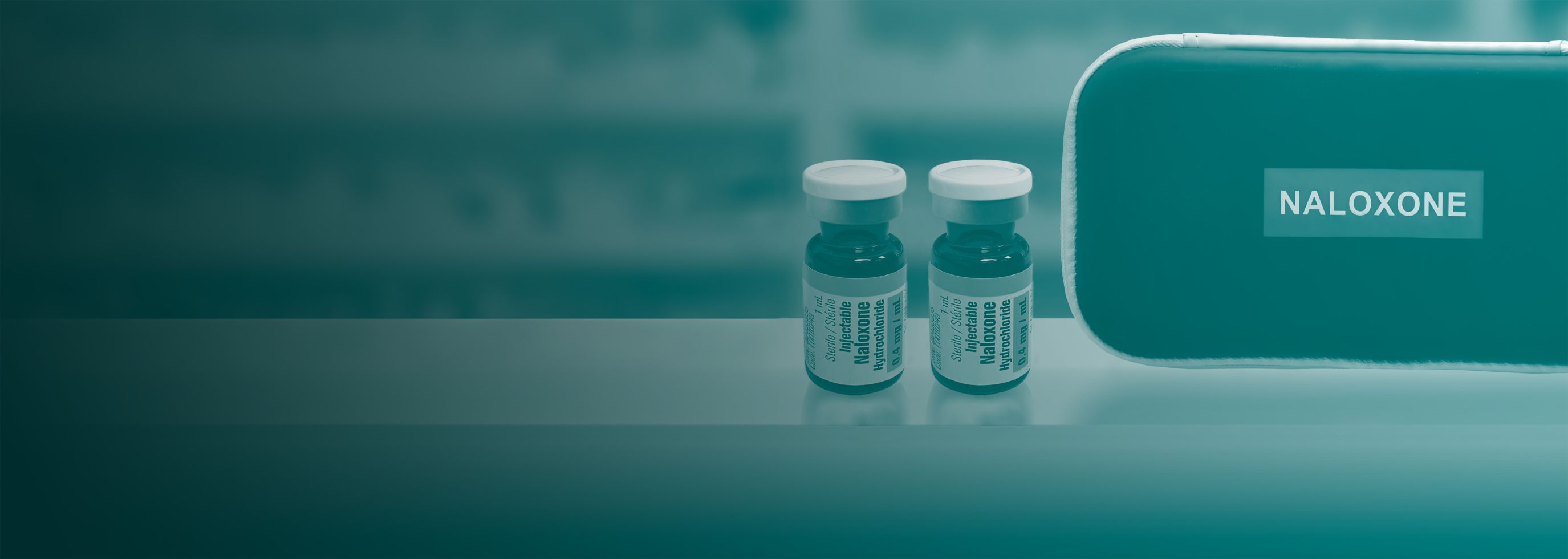
Image of a naloxone kit

Overdose prevention and response

Unregulated drug toxicity is the leading cause of death in British Columbia for persons aged 10 to 59, accounting for more deaths than homicides, suicides, accidents and natural disease combined.

Okanagan College is committed to preventing and responding to toxic drug overdoses.

Concentrated forms of opioids like Fentanyl and Carfentanil are known to circulate within the local drug supply. These substances are potentially more harmful than other forms of opioids as they are more easily mixed in to other substances and deliver a much higher dose. 

It is important to recognize that no unregulated drug is safe. The toxic drug supply is unpredictable and may contain substances that increase the risk of overdose or other serious health effects. Even small amounts can result in serious harm or death.

Opioid overdose can be fatal or have other long lasting health impacts. This high level of risk means it is important that we be aware of the signs of an overdose and be prepared to help someone in need.

Prevention

Preventing an overdose starts with being informed and taking proactive steps to reduce risks. Follow these guidelines to help ensure safer substance use and increase awareness of how to prevent potential overdoses:

  • Avoid using substances alone
  • Avoid mixing substances
  • Know your tolerance and go slow
  • Know the signs and symptoms of an overdose
  • Know how to respond to an overdose

Staff and students are encouraged to stay informed about toxic drug advisories and public health alerts. Current information is available through organizations such as Towards the Heart, the BC Centre for Disease Control, and Interior Health.

Resources

Explore key resources to help prevent overdoses:

BCCDC Harm Reduction Services 

Stop Overdose BC

Towards the Heart: Naloxone Training

Get a Naloxone Kit

Support is available before and after an incident involving substance use or overdose. Students can access Student Services and Counselling supports, while employees can access wellness resources and the Employee and Family Assistance Program (EFAP).

Awareness

Recognizing the signs of an opioid overdose is crucial for prompt intervention. Look for the following symptoms: 

  • Slow or no breathing
  • Slow or no heartbeat
  • Unresponsiveness
  • Choking or gurgling sounds
  • Cold, clammy skin
  • Blue lips
  • Tiny pupils

If you observe any of these signs, it is essential to act quickly.

If you are unsure whether an individual is experiencing an overdose, treat the situation as a medical emergency and call 911 immediately.

Graphic stating "Know the signs of an Opiod Overdose" with icons that say: Slow or no breath, slow or no heartbeat, unresponsive, choking or gurgling, cold or clammy skin, and blue lips and/or tiny pupils

Response

In the event of a suspected overdose, quick and decisive action can save lives. Follow these steps to ensure proper overdose response and patient care until professional help arrives:

ALWAYS call 911 immediately after recognizing a potential overdose.

  • Campus Security should be called as soon as possible after calling 911 so they can provide immediate first aid support and direct the first responders to the patient’s location on campus.
  • Naloxone should be administered as soon as possible. Anyone can administer naloxone during an emergency, and 911 dispatch can provide instructions to support its use.
  • Once Naloxone is administered, the patient is to be monitored for vital signs: airway, breathing, and circulation (ABCs).
  • If the patient is not breathing, perform CPR (chest compressions and assisted breathing) in accordance with First Aid protocols or as directed by 911 or emergency responders.
  • After 3-4 minutes, if the patient has not regained consciousness, and continues to show no response, a second dose of Naloxone should be administered.
  • First aid (chest compressions, assisted breathing, and monitoring ABCs) should continue until a First Responder takes over.

Responders are encouraged to provide assistance in a supportive, respectful, and non-judgmental manner, prioritizing the safety, dignity, and well-being of the individual.

Ambulance transport is required for all suspected overdose cases. Individuals who receive naloxone require medical follow-up, even if they appear to recover, as the effects of naloxone may wear off while opioids remain active in the body.

Graphic with text that says 'If you suspect an Opioid Overdose call 911 and campus security. Kelowna 250-317-2435 Penticton:250-486-3879 Vernon: 250-307-4574

Safety Stations

Naloxone is available throughout Okanagan College campuses as part of the College's overdose response program. Overdose response boxes are located alongside automated external defibrillators (AEDs), and Campus Security officers carry naloxone kits. Locations of AEDs and overdose response equipment can be found on the OC Safety Maps.

Photograph of safety station on wall at the college with Naloxone kit, AED and signs of an overdose poster

Additional information

What is Naloxone?

Naloxone is a potentially lifesaving treatment that can temporarily reverse the effects of an opioid overdose. Even after a treatment like Naloxone is delivered it is imperative to call 911/Campus Security as the effects are temporary and emergency medical treatment will still be needed. There is no risk of harm presented by delivering Naloxone, even to someone who is not experiencing an overdose.

Okanagan College has over 20 Naloxone and Automated External Defibrillator (AED) stations located throughout our campuses and training centres. The Naloxone and AED stations are strategically located to ensure quick access to this equipment in the event of an emergency.

The Naloxone wall cabinets include nasal spray Naloxone, making it easier for untrained individuals to administer this life-saving intervention. The nasal spray is user-friendly, allowing anyone to administer Naloxone under the guidance of a 911 operator while waiting for emergency responders to arrive.  Naloxone injection kits are carried by all Campus Security officers and OC first aid responders.

Download the OC Safe App

Be ready to respond fast in an emergency - download the OC Safe App for quick access to 911, campus security, and emergency procedures.